An Ampersand Experience in the Past and Present
From the Roman Forum to Pompeii, students in the "Rome: Eternal City?" Ampersand program encountered Rome as something far beyond what can be captured in a classroom—an experience where history felt immediate, connected, and alive, as they reveal in posts on the program's blog.
Where It All Began: The Roman Forum
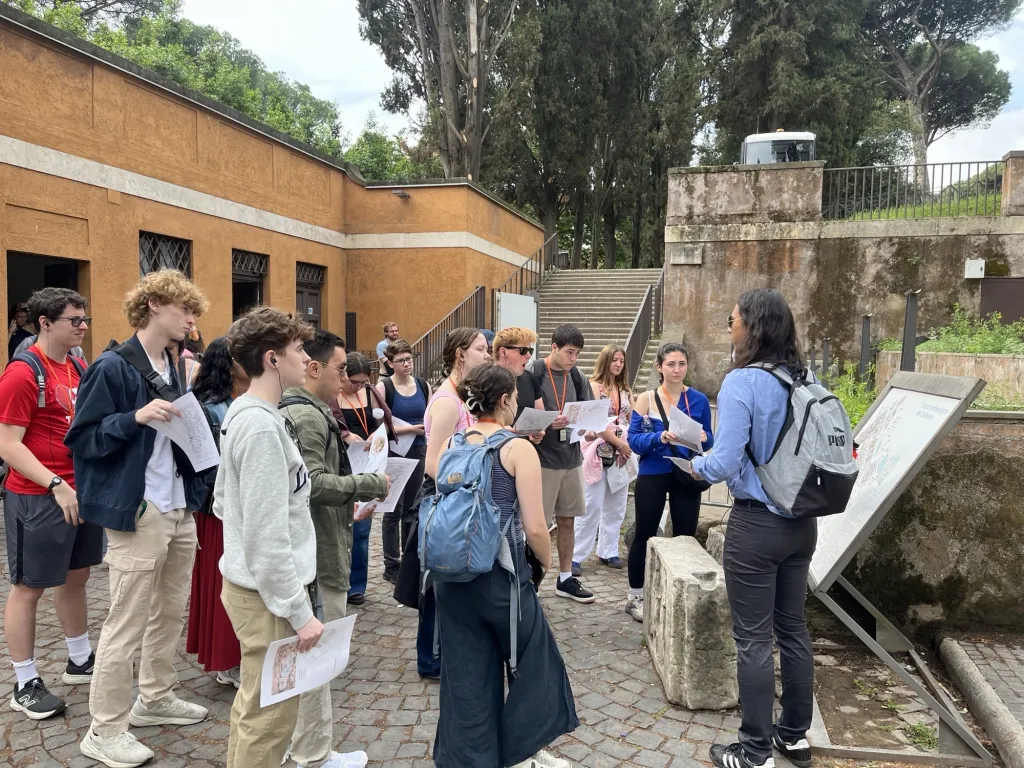
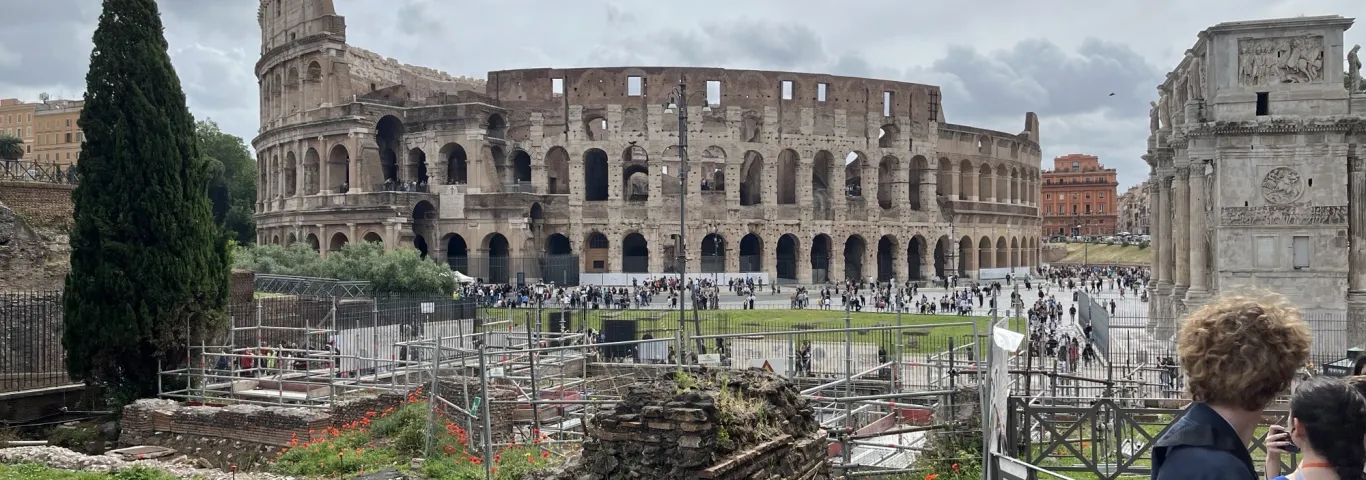
The trip began at the Roman Forum and Palatine Hill, where centuries of history came into focus all at once.
“Before coming to Rome, I had seen pictures of the Forum… but walking through it felt entirely different. Rather than feeling distant, the ancient city suddenly became real.”
Moments of connection brought the ancient world even closer:
“Professor Erdman pointed… and said, ‘Oh, Cicero lived somewhere down there!’ It felt surreal… we were standing in the same city… connected to people I had spent the whole year reading about.”
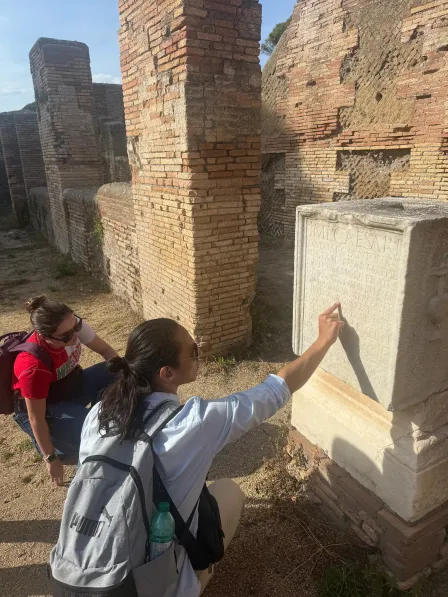
Layers of a Living City
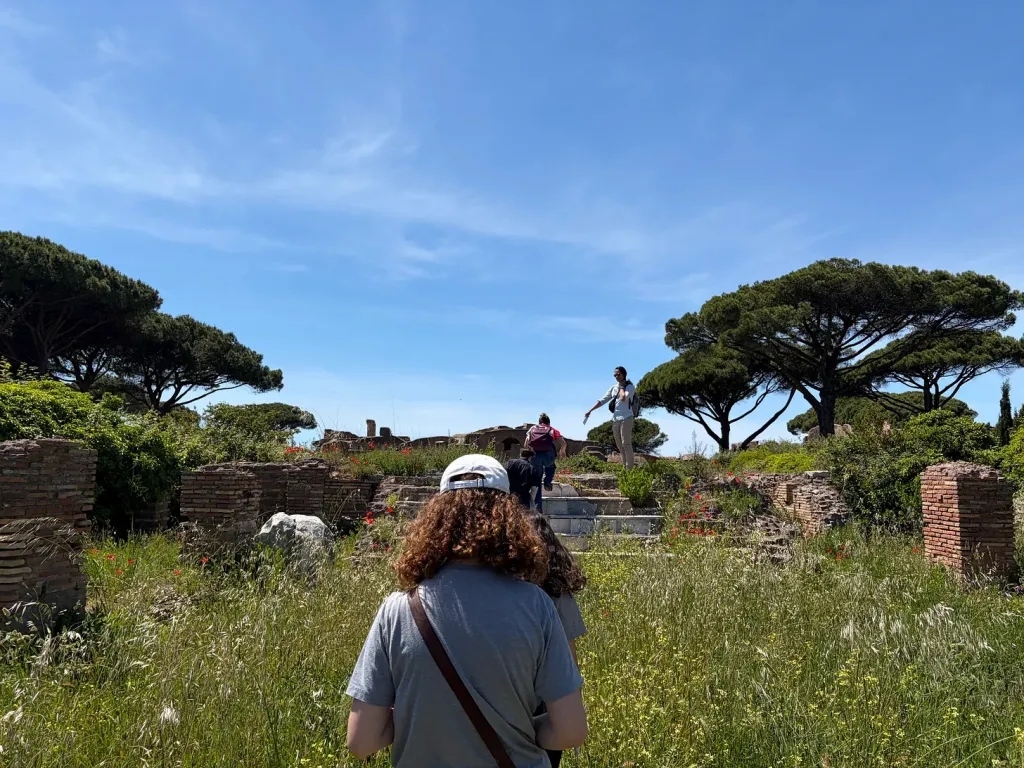
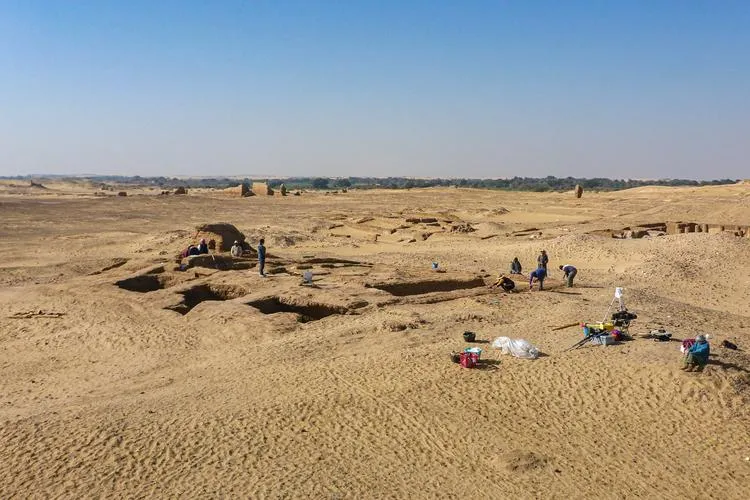
As students moved through sites like Trajan’s Market, Ostia Antica, Pompeii, and Hadrian’s Villa, Rome’s history unfolded not as a single story, but as a series of interconnected layers.
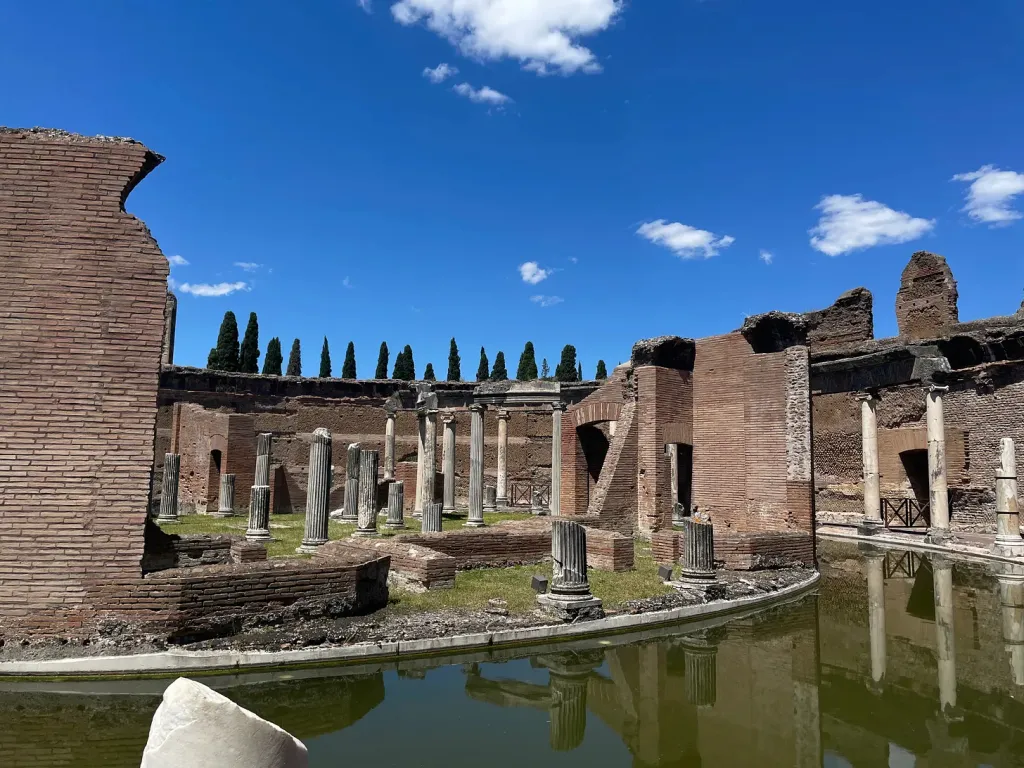
“What began as one archaeological site gradually became part of a much larger story… Somehow, every place connected back to the others.”
Across forums, villas, necropolises, and entire ancient cities, students traced the evolution of Rome over centuries—each site adding depth and context to the last.
History in Everyday Life
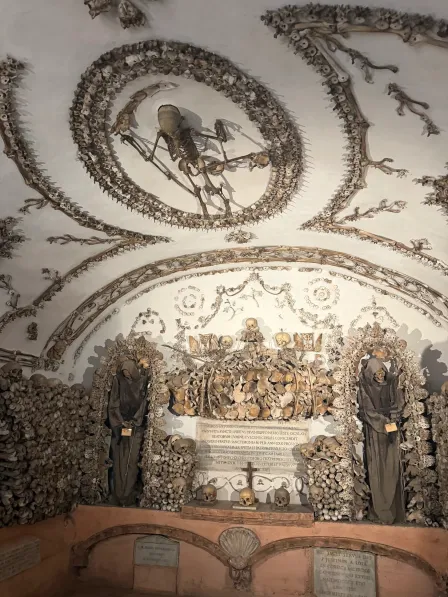
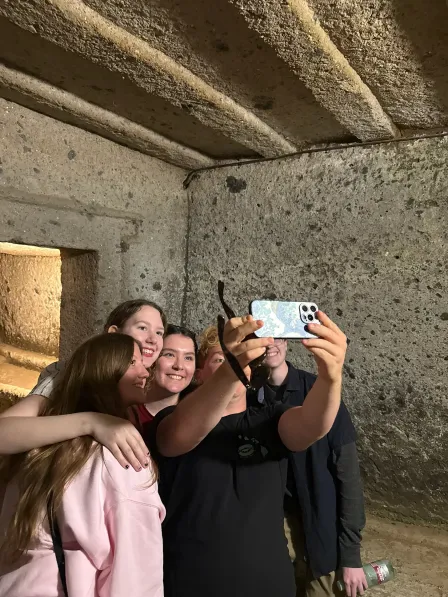
From the Vatican to the Etruscan tombs at Tarquinia and Cerveteri, and from the Capitoline Museum to the Crypt of the Capuchin Monks, students encountered a city where past and present coexist.
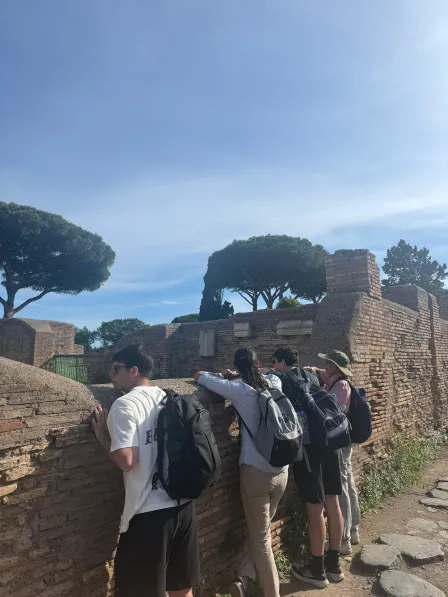
“What struck me most was how Rome never felt frozen in the past. Ancient walls stood beside modern streets… history exists not as something distant, but as part of everyday life.”
Even familiar subjects from class took on new meaning:
“Studying history in a classroom and experiencing it in person are two entirely different things…
seeing these places with my own eyes made the ancient world feel unexpectedly close and human.”
The Moments Between
While the sites were unforgettable, the experience was equally shaped by the moments in between.
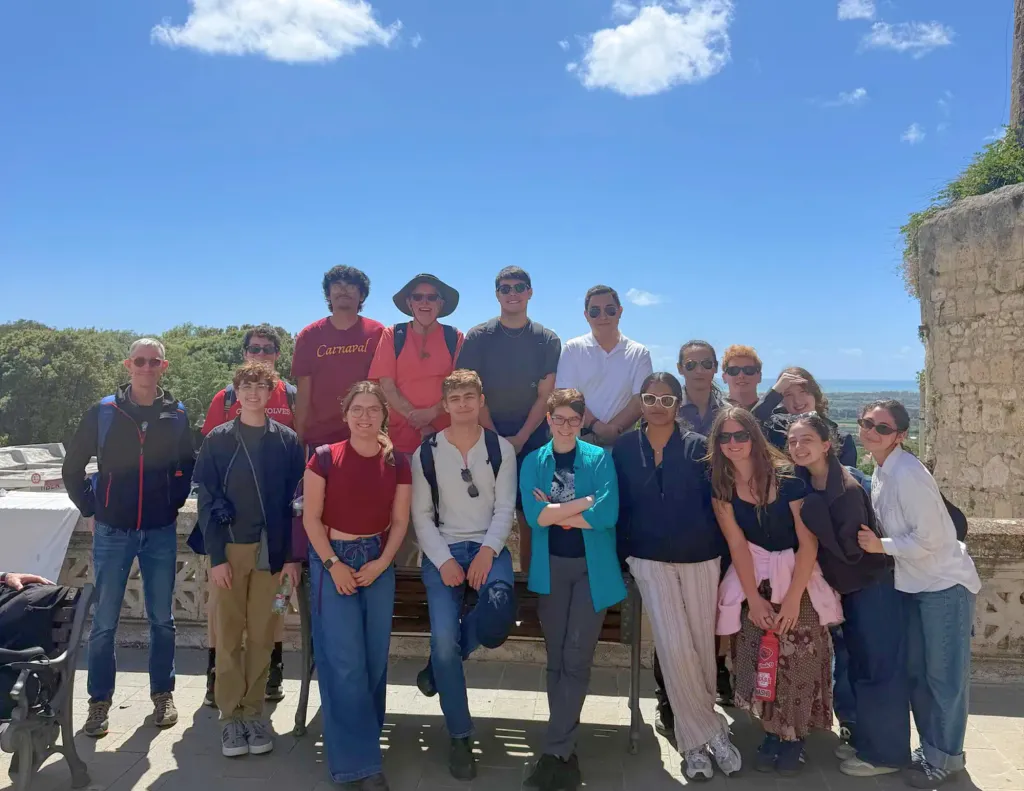
“What I will remember most are the conversations and shared experiences… discussing history while walking through ruins… laughing together over dinner… every day brought new memories.”
These shared experiences turned the trip into something more than academic—it became personal.
A Full Circle Ending
By the final days, Rome no longer felt like a collection of sites, but a continuous, living narrative.
“The Forum… felt like the beginning of an experience that stretched across centuries.”
Looking out over the Forum one last time from the Capitoline Museum, the group returned—visually and emotionally—to where they had started.
“It felt like coming full circle… in Rome, history is not confined to the past—it continues to surround and shape the city today.”
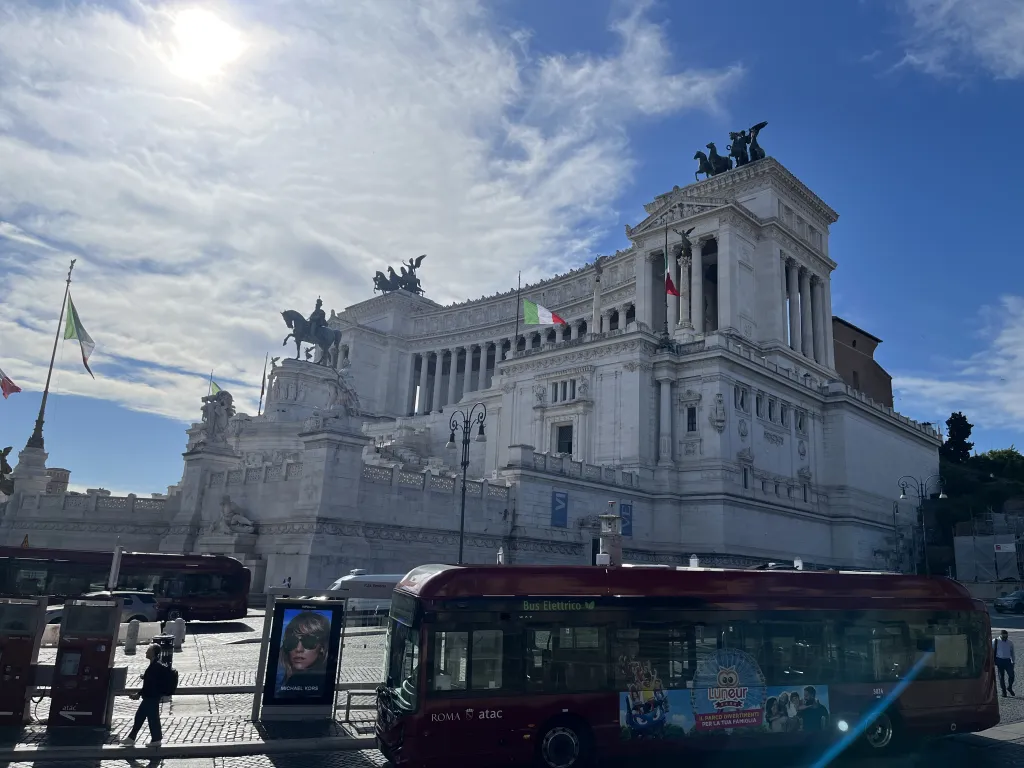
Arrivederci, Roma
As the trip came to a close, students reflected not only on what they had learned, but on the people who made the experience meaningful:
“This trip gave me unforgettable memories, new perspectives, and stories I will be telling for years to come. Arrivederci, Roma—and hopefully not goodbye forever!”*
*Quotes pulled from the Substack trip blog. Check out additional photos and reflections here.